Get Pool Algae Removal
Pool algae removal services help property owners eliminate algae buildup, addressing cloudy water, slippery surfaces, and unsightly stains through professional cleaning and treatment projects.
If algae buildup has become a concern for your swimming pool, you're in the right place to explore options for effective removal. Pool algae can develop for various practical reasons, such as inadequate circulation, environmental factors, or seasonal changes. Property owners in the area often seek professional algae removal services to restore their pools’ clarity and safety, making it easier to enjoy outdoor spaces and maintain overall pool health. Continuing to read can help you compare local contractors who specialize in algae removal and find the solutions that best meet your needs.
Finding the right local service providers for pool algae removal involves considering a range of factors, from experience to the methods used. Many property owners choose to plan their projects carefully and evaluate different options to ensure the work aligns with their goals. This page offers information to assist in connecting with qualified local contractors capable of handling algae removal efficiently and effectively, helping you make informed decisions as you prepare to improve your pool’s condition.
- Pool Algae Removal - when algae buildup causes unsightly discoloration or slippery surfaces in swimming pools.
- Pool Algae Removal - if algae growth begins to affect water clarity and safety for swimmers.
- Pool Algae Removal - during routine maintenance to prevent algae from spreading and causing damage.
- Pool Algae Removal - when organic algae blooms develop after periods of neglect or heavy rainfall.
- Pool Algae Removal - to restore pool aesthetics and ensure a clean, inviting swimming environment.
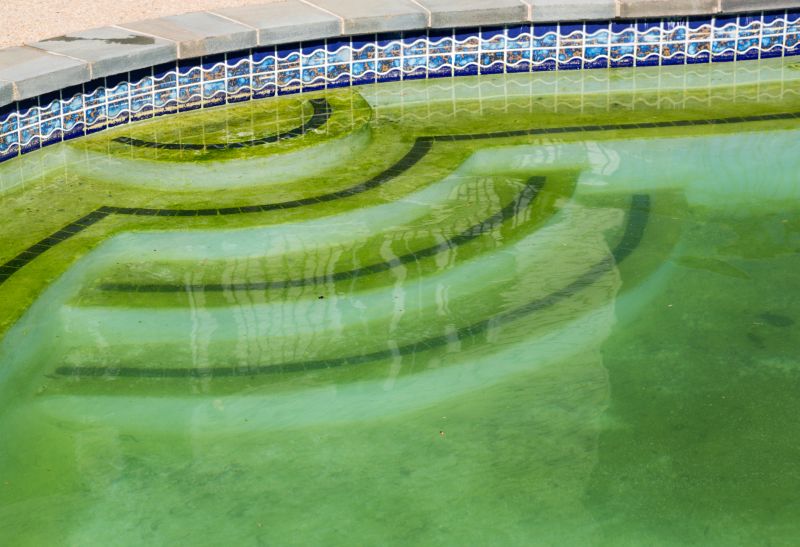
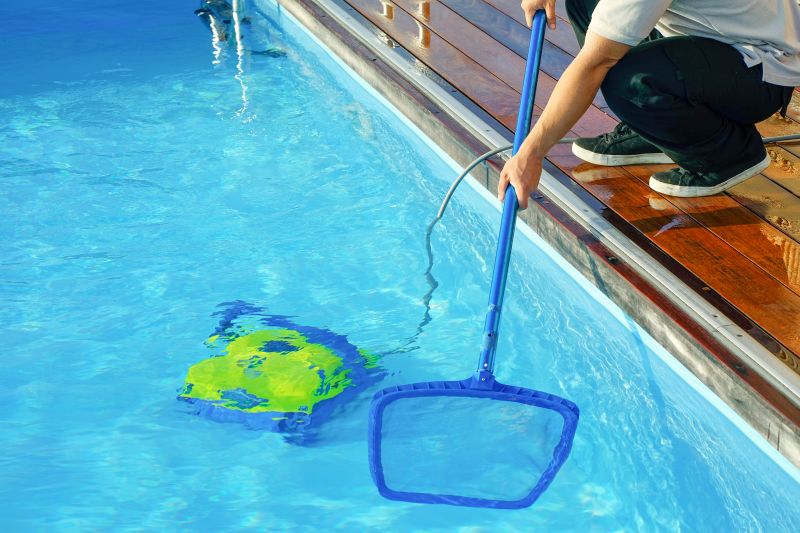
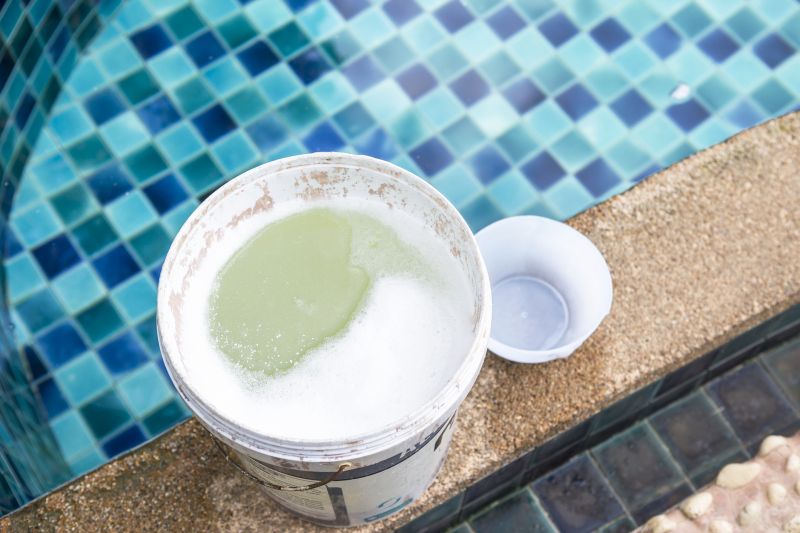
Pool algae removal services focus on eliminating algae growth from swimming pools, ensuring the water remains clear, clean, and safe for swimmers. These services typically involve thorough brushing of pool surfaces, vacuuming debris, and applying specialized algaecides or cleaning solutions to break down algae colonies. In some cases, contractors may also adjust water chemistry levels to prevent future algae growth. The goal is to restore a pristine appearance and maintain the overall health of the pool, making it inviting and enjoyable for users.
Algae problems can develop when pools are not regularly maintained, especially in warm or humid climates where algae thrive. Common signs that indicate a need for algae removal include cloudy water, green or black discoloration on the pool surfaces, and a slimy or sticky feel on the walls and floor. Without proper treatment, algae can quickly spread, leading to slippery surfaces that pose safety risks and making the pool difficult to enjoy. Pool algae removal services help homeowners address these issues promptly, restoring clarity and preventing further growth.
These services are often used by homeowners with residential pools, but they are also valuable for property managers of apartment complexes, hotels, and community recreational facilities. Any property that features a swimming pool and wants to maintain a safe, appealing environment can benefit from professional algae removal. Regular maintenance and timely intervention by local contractors can help prevent algae buildup, saving property owners from more extensive cleaning or repairs down the line.
Choosing the right pool algae removal service depends on the specific needs of the pool and the severity of algae growth. Whether dealing with minor algae patches or extensive infestations, experienced local contractors can assess the situation and recommend effective treatment options. They typically work with various pool types, including in-ground and above-ground pools, ensuring that property owners can maintain a clean, healthy swimming environment. Contacting a local service provider can help determine the best approach to keep pools algae-free and visually appealing.
The overview below groups typical Pool Algae Removal projects into broad ranges so you can see how smaller, mid-sized, and larger jobs often compare in your area.
In many markets, a large share of routine jobs stays in the lower and middle ranges, while only a smaller percentage of projects moves into the highest bands when the work is more complex or site conditions are harder than average.
Basic Algae Removal - most routine algae cleanup projects typically cost between $250 and $600 for smaller pools or minor infestations. Many local service providers handle these jobs within this range, which covers standard cleaning and algae treatment. Larger or more stubborn algae issues may push costs higher, but most fall into this middle band.
Extensive Algae Cleaning - more thorough or larger-scale algae removal services often range from $600 to $1,200. These projects usually involve comprehensive cleaning, chemical treatments, and equipment adjustments, and are common for pools with significant algae buildup. Fewer jobs extend into the higher end of this range, which is reserved for more complex cases.
Full Pool Restoration - complete algae eradication combined with water chemistry balancing and surface treatment can cost between $1,200 and $3,000. Such projects are typical for pools with severe algae problems or aging equipment, and costs vary based on pool size and condition. Larger, more complex projects can reach $3,000+ but are less common.
Pool Surface Replacement - in cases where algae has caused extensive damage requiring surface replacement or renovation, costs can start around $5,000 and go higher depending on pool size and materials. These are generally larger, more involved projects that are less frequent but necessary for long-term restoration.
Actual totals will depend on details like access to the work area, the scope of the project, and the materials selected, so use these as general starting points rather than exact figures.
Swimming Pool Maintenance - Professionals who handle routine pool cleaning and chemical balancing often have skills applicable to algae removal and water clarity improvement.
Water Feature Cleaning - Contractors experienced in cleaning fountains, ponds, and waterfalls utilize similar tools and planning methods to remove algae from pools effectively.
Spa and Hot Tub Care - Service providers who maintain spas and hot tubs are familiar with water treatment and algae prevention techniques relevant to pool algae removal.
Commercial Pool Services - Commercial pool specialists manage large-scale cleaning and algae control, applying comparable skills to residential pool algae removal projects.
Pool Equipment Repair - Technicians who repair pumps, filters, and circulation systems understand water flow and filtration, aiding in effective algae management.
Water Testing and Treatment - Experts in water analysis and chemical treatment provide insights into water quality improvement, supporting algae removal efforts.
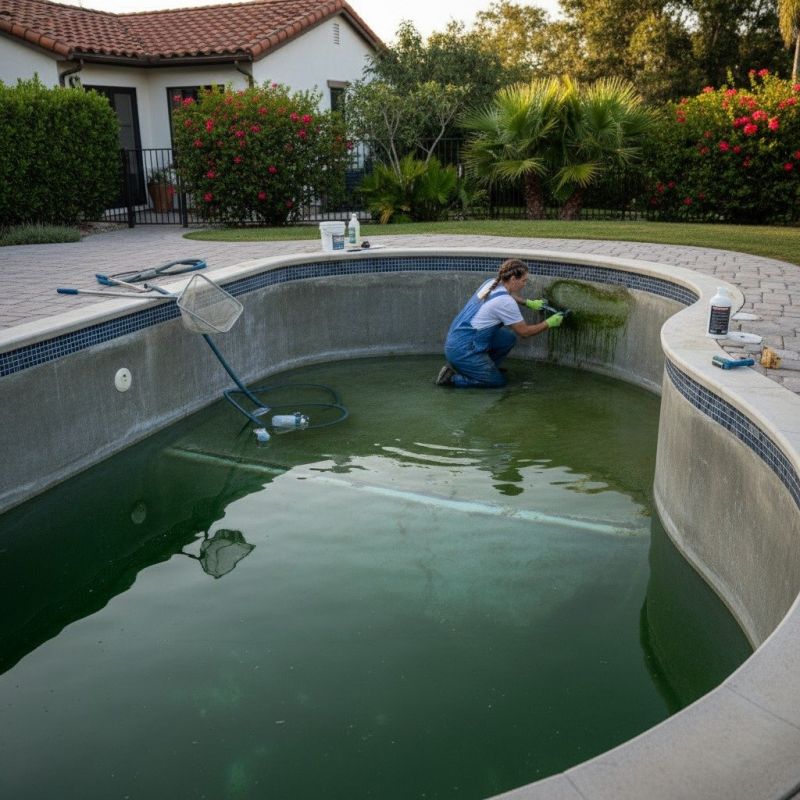
When comparing service providers for pool algae removal, it’s important to consider their experience with similar projects. Look for local contractors who have a proven track record of handling algae issues in pools comparable to yours. An experienced professional will understand the common causes of algae growth, effective removal techniques, and preventative measures to keep your pool clear in the future. This familiarity can help ensure the work is done efficiently and effectively, reducing the likelihood of recurring problems.
Clear written expectations are essential when evaluating potential service providers. A reputable local contractor should be able to provide a detailed description of the scope of work, including the methods they plan to use, the steps involved, and what the homeowner can expect throughout the process. Having this information in writing helps prevent misunderstandings and ensures that all parties are aligned on the goals of the project, making it easier to compare options and make an informed decision.
Reputable references and good communication are key indicators of a reliable local contractor. When considering different providers, ask for references from previous clients who had similar algae removal services performed. Contact these references to gain insight into their experiences, including the professionalism, responsiveness, and quality of work. Additionally, effective communication-such as timely responses to inquiries and clarity in explanations-can make the process smoother and more transparent. It’s important to choose a service provider who demonstrates professionalism and a willingness to address questions or concerns throughout the project.
Property owners use Pool Algae Removal services for practical projects around their homes and businesses. This guide focuses on everyday jobs and straightforward project options.
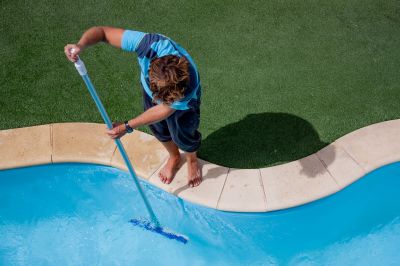
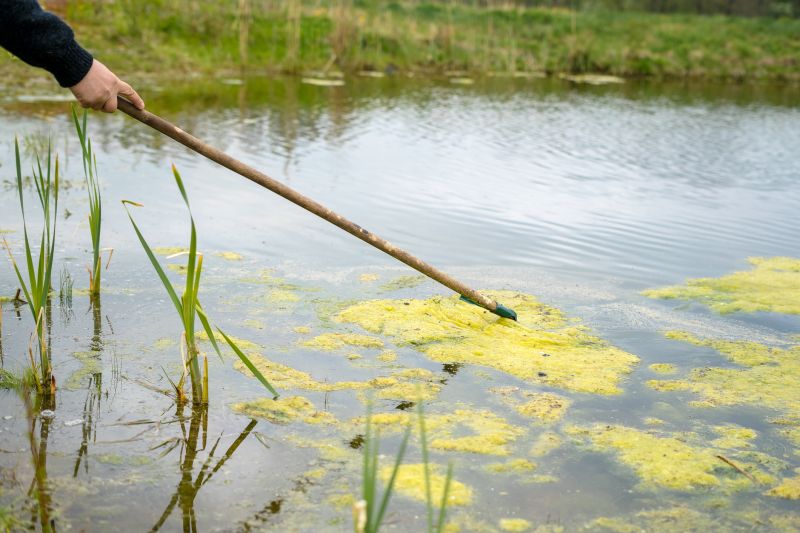
Pool algae buildup can occur unexpectedly, especially during warm weather or periods of heavy pool usage. Property owners might notice a greenish tint, slimy surfaces, or cloudy water, making the pool less inviting and potentially unsafe to swim in. When algae takes hold, many turn to local contractors who specialize in algae removal to restore their pool’s appearance and ensure it’s clean and safe for use.
In addition to seasonal changes, algae growth can also be caused by imbalanced water chemistry or inadequate filtration. Homeowners seeking quick and effective solutions often contact local service providers experienced in algae removal. These professionals can assess the situation, recommend appropriate treatments, and help maintain a clear, healthy pool environment throughout the swimming season.
What causes algae to grow in pools? Algae can develop in pools due to factors like excess nutrients, warm temperatures, and insufficient sanitation, creating ideal conditions for algae to thrive.
How do local contractors remove algae from pools? They typically use specialized cleaning techniques, including brushing, filtering, and applying algaecides to effectively eliminate algae and prevent regrowth.
Can algae removal improve my pool’s water quality? Yes, removing algae helps restore water clarity and cleanliness, making the pool safer and more enjoyable to use.
What types of algae are commonly found in pools? Common types include green, black, and yellow algae, each requiring different approaches for effective removal.
How can I prevent algae from returning after removal? Maintaining proper water chemistry, regular cleaning, and proper filtration are key steps that local service providers recommend to prevent algae growth.
Prevent Pool Algae Growth - Regular algae removal services can help property owners keep their pools clean and clear, reducing the risk of algae buildup over time.
Maintain Safe Swimming Conditions - Removing algae ensures the pool remains safe and inviting for family gatherings and everyday swimming activities.
Protect Pool Equipment - Professional algae removal can prevent damage to filters, pumps, and liners caused by algae accumulation.
Enhance Pool Appearance - Keeping algae at bay helps maintain a pristine, visually appealing pool for everyday use and special occasions.
If you are thinking about Pool Algae Removal for a property, this guide is meant to help you understand the work, the typical project types, and how different options might fit your plans.
When you are ready, you can use the quote form on this page to share a few details about your project. From there, local pros can review the basics and respond with options that match what you have in mind.